Tag: erp

  • Erp Manufacturing Company

    Erp Manufacturing Company

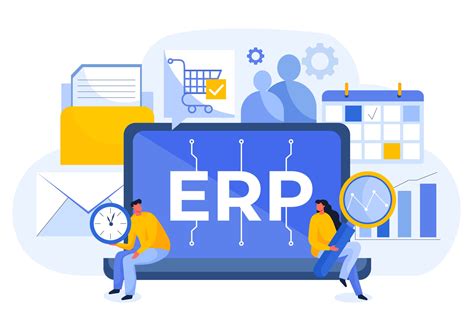
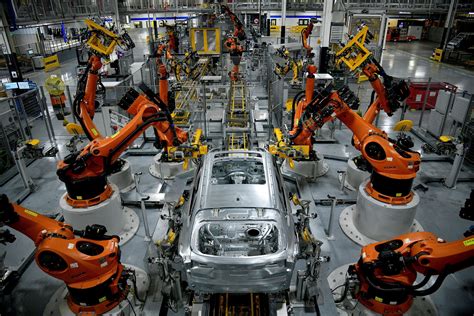
    Welcome, manufacturing professionals! In today’s fast-paced industry, the need for efficiency and productivity is more crucial than ever. This is where Enterprise Resource Planning (ERP) systems come into play. ERP systems are powerful tools that help streamline operations, improve communication, and increase overall productivity for manufacturing companies. By integrating various business functions into one centralized system, ERP software can make processes more efficient, reduce errors, and provide real-time data for better decision-making. Let’s delve into the role of ERP in boosting efficiency and productivity for manufacturing companies.
    Manufacturing

    Implementation of ERP system in a manufacturing company

    Implementing an ERP system in a manufacturing company is a crucial step towards streamlining operations, increasing efficiency, and improving overall business processes. The process of implementing an ERP system can be complex and challenging, but with proper planning and execution, the benefits can far outweigh the initial obstacles.

    The first step in implementing an ERP system is to thoroughly assess the current state of the company’s operations. This includes identifying areas of inefficiency, bottlenecks, and opportunities for improvement. By conducting a comprehensive evaluation of the existing systems and processes, decision-makers can gain a better understanding of the specific needs and requirements that the new ERP system should address. This step is essential for setting clear goals and objectives for the implementation process.

    Also read :

    Erp Product Management

    After conducting a thorough assessment, the next step is to select an ERP system that best fits the needs of the manufacturing company. This involves researching different ERP software vendors, evaluating their offerings, and choosing a solution that aligns with the company’s requirements and budget. It is important to involve key stakeholders from various departments in the decision-making process to ensure that the chosen ERP system meets the needs of all users and functions within the organization.

    Once the ERP system has been selected, the implementation phase begins. This is perhaps the most crucial stage of the process, as it involves configuring the system to meet the company’s specific requirements, migrating data from existing systems, training employees, and testing the system before going live. It is essential to work closely with the ERP vendor and implementation team to ensure that the system is set up correctly and that all user interfaces and functions work seamlessly.

    Training employees on the new ERP system is another critical step in the implementation process. Many employees may be resistant to change or unfamiliar with ERP systems, so providing comprehensive training and ongoing support is essential for ensuring a smooth transition. By investing in thorough training programs and resources, companies can empower their employees to embrace the new system and maximize its benefits.

    Also read :

    Erp Product Management

    Finally, after the ERP system has been successfully implemented, it is important to continuously monitor and evaluate its performance. Regularly reviewing key performance indicators, collecting feedback from users, and making necessary adjustments are essential for ensuring the long-term success of the system. By staying proactive and responsive to changing business needs, manufacturing companies can optimize their ERP system and drive continuous improvement across all areas of the organization.

    Streamlining production processes with ERP technology

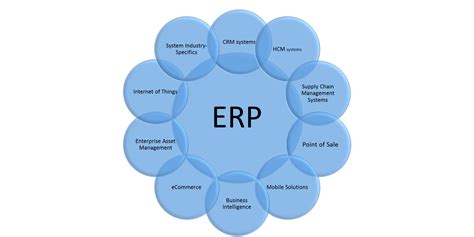
    When it comes to improving efficiency and productivity in manufacturing, ERP technology plays a key role in streamlining production processes. ERP, or Enterprise Resource Planning, is a system that integrates various departments and functions within a company into a single, centralized database. This allows for real-time visibility and communication across different areas of the business, including supply chain management, production planning, inventory control, and more.

    One of the main benefits of using ERP technology in manufacturing is the ability to automate repetitive tasks and processes. This not only saves time and reduces the risk of human error, but it also allows employees to focus on more strategic tasks that can drive innovation and growth. For example, with ERP software, production schedules can be automatically generated based on demand forecasts, inventory levels, and machine capacity, ensuring that resources are allocated efficiently and production runs smoothly.

    Also read :

    Erp Software Platform

    Another advantage of ERP technology is its ability to provide real-time data and analytics, allowing manufacturing companies to make informed decisions quickly. By centralizing all data in one system, managers can easily track key performance indicators (KPIs), monitor production progress, and identify areas for improvement. This visibility into the production process enables companies to optimize workflows, reduce waste, and meet delivery deadlines more effectively.

    Furthermore, ERP technology helps to improve communication and collaboration among different departments within a manufacturing company. With all employees accessing the same system, information flows more freely between teams, leading to better coordination and alignment of goals. For example, when a sales order is entered into the system, production teams can immediately see the requirements and adjust their schedules accordingly, reducing lead times and improving customer satisfaction.

    In addition, ERP systems provide greater traceability and compliance in manufacturing processes. By tracking raw materials, components, and finished products throughout the production cycle, companies can ensure quality control and meet regulatory requirements. This level of transparency not only increases customer trust but also helps to identify opportunities for continuous improvement and innovation.

    In conclusion, by leveraging ERP technology in manufacturing, companies can streamline production processes, improve efficiency, and drive growth. With automation, real-time visibility, communication, and compliance capabilities, ERP systems enable businesses to stay competitive in today’s fast-paced global market. Whether it’s optimizing resources, making data-driven decisions, or enhancing collaboration, ERP technology is a powerful tool for transforming manufacturing operations and achieving sustainable success.

    Also read :

    Iot And Erp

    Benefits of utilizing ERP software in the manufacturing industry

    ERP (Enterprise Resource Planning) software has revolutionized the way manufacturing companies operate. By implementing ERP systems, companies can streamline their processes, improve efficiency, and increase profitability. There are numerous benefits to utilizing ERP software in the manufacturing industry, including improved inventory management, increased production capacity, and enhanced decision-making capabilities.

    One of the key benefits of utilizing ERP software in the manufacturing industry is improved inventory management. With an ERP system in place, companies can track their inventory levels in real-time, allowing them to optimize their supply chain and ensure they always have the right amount of materials on hand. This leads to reduced stockouts, lower carrying costs, and improved overall efficiency in the manufacturing process.

    Another significant benefit of ERP software in the manufacturing industry is increased production capacity. By automating and streamlining various processes, such as order processing, scheduling, and production planning, ERP systems enable companies to ramp up their production levels without sacrificing quality. This results in higher output, faster turnaround times, and ultimately, increased revenue for the organization.

    Furthermore, ERP software empowers manufacturing companies with enhanced decision-making capabilities. By providing access to real-time data and analytics, ERP systems enable businesses to make informed decisions about everything from pricing and procurement to forecasting and resource allocation. This not only improves the company’s overall performance but also helps them stay ahead of the competition in a rapidly changing market.

    Also read :

    Erp Software Small Business

    In addition to these benefits, utilizing ERP software in the manufacturing industry also leads to improved communication and collaboration within the organization. With all departments and stakeholders working within the same system, information flows more freely, and teams can work together more efficiently towards common goals. This leads to a more cohesive and productive work environment, ultimately driving better results for the company as a whole.

    Overall, the benefits of utilizing ERP software in the manufacturing industry are undeniable. From improved inventory management and increased production capacity to enhanced decision-making capabilities and improved communication, ERP systems have the power to transform a company’s operations and drive significant growth. As technology continues to advance, it is essential for manufacturing companies to embrace ERP software to stay competitive in today’s fast-paced and ever-evolving market.

    Challenges faced by manufacturing companies during ERP implementation

    Implementing an ERP system in a manufacturing company can be a complex and daunting task. There are numerous challenges that companies face during the implementation process, which can hinder the successful adoption of the new system. In this article, we will discuss some of the key challenges that manufacturing companies commonly encounter when implementing an ERP system.

    1. Resistance to change:

    Also read :

    Erp Systems For Small To Medium Business

    One of the most common challenges that manufacturing companies face during ERP implementation is resistance to change from employees. Many employees are comfortable with their existing processes and may be apprehensive about the changes that come with implementing a new ERP system. This resistance can lead to delays in the implementation process and prevent the system from being fully utilized.

    2. Data migration issues:

    Another challenge that manufacturing companies face during ERP implementation is data migration issues. Migrating data from existing systems to the new ERP system can be a complex process, and if not done correctly, it can lead to data loss or corruption. It is important for companies to carefully plan and execute their data migration strategy to ensure a smooth transition to the new system.

    3. Integration with existing systems:

    Many manufacturing companies have existing systems in place that need to be integrated with the new ERP system. This can be a challenge, as different systems may use different data formats or have incompatible functionalities. Companies must carefully plan how they will integrate their existing systems with the new ERP system to ensure a seamless transition.

    4. Lack of training and support:

    One of the most critical challenges that manufacturing companies face during ERP implementation is a lack of training and support for employees. Many companies underestimate the importance of providing comprehensive training to employees on how to use the new ERP system effectively. Without adequate training, employees may struggle to adapt to the new system, leading to decreased productivity and frustration.

    Also read :

    Erp Product Management

    Companies should invest in training programs that provide employees with the knowledge and skills they need to successfully use the ERP system. In addition to training, companies should also provide ongoing support to employees as they use the system, such as help desk services or online resources. This support can help employees overcome any challenges they may face during the implementation process and ensure a successful adoption of the new ERP system.

    In conclusion, manufacturing companies face numerous challenges during ERP implementation, including resistance to change, data migration issues, integration with existing systems, and lack of training and support. By addressing these challenges proactively and investing in proper planning and resources, companies can overcome obstacles and successfully implement an ERP system that helps improve efficiency and productivity in their operations.

    Maximizing efficiency and productivity through ERP solutions

    Implementing an ERP system in a manufacturing company can greatly enhance efficiency and productivity. From streamlining processes to improving communication across departments, ERP solutions play a crucial role in helping businesses operate more effectively. Let’s delve deeper into how manufacturing companies can maximize their efficiency and productivity through the use of ERP solutions.

    1. Streamlining processes: One of the key benefits of an ERP system is its ability to streamline various processes within a manufacturing company. By integrating different functions such as inventory management, production planning, and order processing into a single platform, ERP solutions help eliminate redundant tasks and reduce the risk of errors. This not only saves time but also allows employees to focus on more strategic activities, ultimately increasing overall efficiency.

    Also read :

    Erp Software Platform

    2. Real-time data access: Another advantage of ERP solutions is the access to real-time data. By having up-to-date information on inventory levels, production schedules, and customer orders, manufacturing companies can make informed decisions quickly. This not only improves response times but also helps prevent delays and bottlenecks in the production process, leading to increased productivity.

    3. Enhanced collaboration: ERP systems facilitate better communication and collaboration among different departments within a manufacturing company. By providing a centralized platform for sharing information and updates, employees can work together more seamlessly and efficiently. This reduces the likelihood of misunderstandings or miscommunications, ultimately leading to smoother operations and improved productivity.

    4. Automation of repetitive tasks: ERP solutions automate many routine tasks, such as generating reports, tracking inventory levels, and processing orders. This not only saves time but also reduces the risk of human error. By automating these repetitive tasks, employees can focus on more value-added activities, such as analyzing data or solving complex problems, which can significantly improve overall efficiency and productivity.

    5. Improved supply chain management: Perhaps one of the most significant ways ERP solutions can maximize efficiency and productivity in a manufacturing company is through improved supply chain management. By integrating suppliers, distributors, and other partners into the ERP system, companies can better coordinate their activities, optimize inventory levels, and reduce lead times. This leads to a more responsive supply chain, which in turn allows manufacturing companies to meet customer demands more efficiently and effectively.

    Also read :

    Erp Systems For Small To Medium Business

    Overall, ERP solutions are essential for modern manufacturing companies looking to maximize efficiency and productivity. Whether through streamlining processes, providing real-time data access, enhancing collaboration, automating tasks, or improving supply chain management, ERP systems play a crucial role in helping businesses operate more effectively and competitively in today’s fast-paced market.

  • Erp System For Retail Business

    Erp System For Retail Business

    Welcome, dear reader! Are you a retail business owner looking to streamline your operations and increase efficiency? Look no further than implementing an ERP system. An ERP (Enterprise Resource Planning) system can revolutionize the way you manage your business processes, from inventory management to customer relations. By centralizing all your data and automating tasks, an ERP system can help you save time, reduce errors, and make more informed decisions. Let’s explore how an ERP system can enhance the efficiency of your retail business.

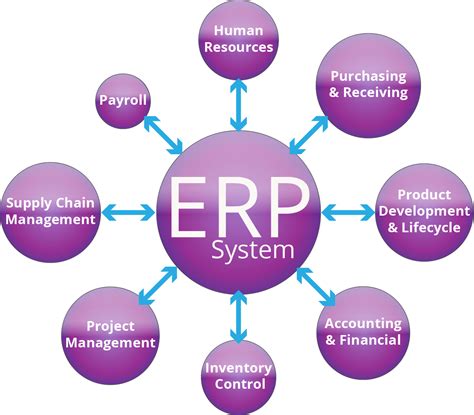
    ERP System

    Benefits of Implementing ERP in Retail Businesses

    Implementing an ERP system in a retail business can bring a multitude of benefits, revolutionizing the way operations are managed and improving overall efficiency. One of the main advantages is the centralization of data and processes. With an ERP system in place, data from different departments such as sales, inventory, and accounting can be integrated into one system, providing a holistic view of the business. This centralization eliminates the need for manual data entry and reduces the risk of errors.

    Another benefit of implementing an ERP system in a retail business is improved decision-making capabilities. With real-time data at their fingertips, managers and executives can make informed decisions quickly. They can analyze trends, track inventory levels, and identify opportunities for growth. This level of insight is crucial in today’s fast-paced retail environment where staying ahead of the competition is essential.

    Also read :

    Erp Business Software

    Efficiency is also a key advantage of using an ERP system in a retail business. By automating processes such as order management, inventory tracking, and financial reporting, employees can focus on more value-added tasks. This automation not only saves time but also improves accuracy, reducing the likelihood of human error.

    Furthermore, an ERP system can lead to cost savings for retail businesses. By streamlining operations and reducing manual work, businesses can cut down on labor costs. They can also optimize inventory levels, reducing holding costs and minimizing excess inventory. Additionally, with better insight into sales trends and customer behavior, businesses can tailor their marketing strategies, reducing costs associated with ineffective campaigns.

    Customer satisfaction is another benefit of implementing an ERP system in a retail business. With a centralized system, businesses can provide accurate and up-to-date information to customers, such as product availability and order status. This transparency builds trust and loyalty with customers, leading to repeat business and positive word-of-mouth referrals.

    In conclusion, the implementation of an ERP system in a retail business can bring a myriad of benefits. From centralizing data and processes to improving decision-making capabilities and efficiency, the advantages are clear. Furthermore, cost savings and increased customer satisfaction are additional perks that can have a significant impact on the bottom line. Overall, investing in an ERP system is a wise decision for any retail business looking to stay competitive in today’s market.

    Also read :

    Erp Software For Hospital

    Key Features to Look for in an ERP System for Retail

    When selecting an ERP system for a retail business, it is crucial to consider the key features that will best cater to the specific needs of the industry. Here are some essential features to look for:

    1. Inventory Management: One of the most important features of an ERP system for retail is robust inventory management capabilities. The system should be able to track inventory levels in real-time, provide insights into demand forecasting, and automate replenishment processes. This feature ensures that retailers can maintain optimal inventory levels, reduce stockouts, and improve overall operational efficiency.

    2. Sales and Customer Relationship Management: A good ERP system should have integrated sales and customer relationship management functionalities. This feature allows retailers to manage customer interactions, track sales performance, and personalize marketing campaigns. The system should also provide insights into customer behavior and preferences, enabling retailers to tailor their offerings to meet the demands of their target market.

    With advanced CRM capabilities, retailers can keep track of customer information, such as purchase history, feedback, and preferences. This enables them to provide personalized recommendations, discounts, and promotions to loyal customers, ultimately driving customer loyalty and retention. Additionally, integrated sales management allows retailers to monitor sales performance, analyze trends, and forecast future sales, helping them make informed business decisions and improve revenue generation.

    Also read :

    Erp Software Platform

    3. E-commerce Integration: In today’s digital age, e-commerce integration is crucial for retail businesses looking to expand their online presence. An ERP system with built-in e-commerce functionality allows retailers to seamlessly integrate their online and offline sales channels, ensuring a consistent and unified shopping experience for customers. This feature enables retailers to manage inventory, product listings, pricing, and promotions across all sales channels, simplifying operations and increasing overall efficiency.

    4. Reporting and Analytics: Another key feature to look for in an ERP system for retail is comprehensive reporting and analytics tools. The system should provide real-time insights into sales performance, inventory levels, customer behavior, and other key metrics, allowing retailers to make data-driven decisions and optimize their operations. With customizable reports and dashboards, retailers can monitor KPIs, track progress towards goals, and identify areas for improvement, ultimately driving business growth and profitability.

    5. Scalability and Flexibility: As retail businesses grow and evolve, they need an ERP system that can scale and adapt to their changing needs. Look for a system that is flexible and customizable, allowing retailers to add new features, modules, or integrations as needed. Additionally, the ERP system should be able to support multiple users, locations, and sales channels, accommodating the expanding operations of retail businesses.

    Also read :

    Erp Product Management

    Overall, selecting the right ERP system for a retail business is a critical decision that can have a significant impact on its success. By considering these key features and choosing a system that aligns with the specific needs and goals of the business, retailers can streamline their operations, improve customer satisfaction, and drive growth in today’s competitive retail landscape.

    Challenges of Integrating ERP in Retail Operations

    Integrating an ERP system into a retail business can be a daunting task, with a number of challenges that need to be addressed for a successful implementation. One of the biggest challenges is ensuring that the ERP system is compatible with the existing systems and processes within the retail organization. This can involve extensive data migration, customization, and training to ensure that the new system can seamlessly integrate with the current operations.

    Additionally, the sheer size and complexity of many ERP systems can pose a challenge for retail businesses, particularly smaller ones with limited resources. Implementing an ERP system requires a significant investment of time, money, and effort, and can be overwhelming for retailers who are not familiar with the technology.

    Another key challenge is managing the change that comes with implementing an ERP system. This can involve resistance from employees who are used to the old ways of doing things, as well as the need for new training and support to help them adapt to the new system. Without proper change management strategies in place, the implementation of an ERP system can lead to confusion, frustration, and even resistance from employees, hindering its success.

    Also read :

    Erp Product Management

    Furthermore, maintaining and updating an ERP system can be a challenge in itself. Retail businesses need to ensure that the system is constantly updated with the latest features and security patches to stay competitive and protect sensitive data. This requires a dedicated team of IT professionals to manage the system and address any issues that may arise, adding another layer of complexity to the integration process.

    In conclusion, integrating an ERP system into a retail business is no easy task, and comes with a number of challenges that need to be carefully managed. By addressing issues such as compatibility, complexity, change management, and system maintenance, retail businesses can successfully implement an ERP system and reap the benefits of improved efficiency, data accuracy, and decision-making. With proper planning, support, and training, retailers can navigate these challenges and leverage ERP technology to optimize their operations and drive growth.

    Case Studies of Successful ERP Implementation in Retail

    Implementing an ERP system in a retail business can be a game-changer, streamlining operations, improving efficiency, and providing valuable insights for decision-making. Here are a few case studies of successful ERP implementation in the retail industry:

    1. Walmart: Walmart, one of the largest retail chains in the world, implemented an ERP system that enabled them to improve inventory management, streamline their supply chain, and enhance customer service. The system allowed for better coordination between their online and offline stores, ensuring that customers received a seamless shopping experience across all platforms. As a result, Walmart saw an increase in sales and customer satisfaction levels.

    Also read :

    Erp Manufacturing Company

    2. Target: Target, another major player in the retail industry, successfully implemented an ERP system to integrate their processes and data across multiple departments. This allowed them to better track inventory, analyze sales trends, and make informed decisions about pricing and promotions. With the help of their ERP system, Target was able to improve their overall performance and stay competitive in the market.

    3. Amazon: Amazon, known for its innovative approach to e-commerce, implemented an ERP system that revolutionized their operations. The system provided real-time data on inventory levels, sales performance, and customer behavior, enabling them to make quick decisions and adapt to changing market conditions. With the help of their ERP system, Amazon was able to grow rapidly and expand into new markets while maintaining their high level of customer service.

    4. Nordstrom: Nordstrom, a luxury department store chain, implemented an ERP system to enhance their customer experience and optimize their supply chain. The system allowed them to track customer preferences and purchase history, personalize their marketing efforts, and improve inventory management. As a result, Nordstrom was able to increase customer loyalty, drive sales, and stay ahead of the competition in the retail industry.

    These case studies demonstrate the significant benefits of implementing an ERP system in a retail business. From improving efficiency and customer service to optimizing inventory management and decision-making, an ERP system can help retailers stay competitive and achieve long-term success in today’s fast-paced market.

    Also read :

    Erp Systems For Small To Medium Business

    How ERP Systems Improve Efficiency and Customer Satisfaction in Retail Businesses

    ERP systems have become an essential tool for retail businesses looking to streamline their operations and improve customer satisfaction. These systems offer a range of benefits that can help retailers enhance efficiency and provide a better overall shopping experience for their customers.

    One of the key ways in which ERP systems improve efficiency in retail businesses is by centralizing data and processes. With an ERP system in place, retailers can consolidate all of their important information – including sales data, inventory levels, and customer preferences – into a single, integrated platform. This allows for better communication and coordination between different departments, reducing the amount of time and effort spent on manual data entry and reconciliation.

    ERP systems also help retailers optimize their supply chain management by providing real-time visibility into inventory levels and demand forecasting. By automating the process of tracking and ordering inventory, retailers can ensure that they always have the right products in stock to meet customer demand. This not only helps to prevent stockouts and overstock situations but also allows retailers to improve their cash flow by minimizing excess inventory.

    In addition to improving efficiency, ERP systems can also have a significant impact on customer satisfaction. By centralizing customer data and tracking their interactions with the business, retailers can gain valuable insights into their preferences and behavior. This information can then be used to personalize the shopping experience for each customer, leading to higher levels of engagement and loyalty.

    Also read :

    Erp Systems For Small To Medium Business

    Furthermore, ERP systems can help retailers provide better customer service by enabling them to respond quickly to inquiries and resolve issues in a timely manner. By consolidating customer data and communication channels, retailers can ensure that all customer interactions are handled efficiently and professionally, leading to higher levels of satisfaction and repeat business.

    Overall, ERP systems play a crucial role in improving efficiency and customer satisfaction in retail businesses. By centralizing data and processes, optimizing supply chain management, and providing valuable insights into customer behavior, these systems help retailers enhance their operations and deliver a better shopping experience for their customers.

  • Erp Systems For Small To Medium Business

    Erp Systems For Small To Medium Business

    Welcome to our guide on choosing the right ERP system for your small to medium business! Implementing an Enterprise Resource Planning (ERP) system can revolutionize the way your company manages its operations, streamlining processes and increasing efficiency. However, with so many options available in the market, selecting the best ERP solution for your specific needs can be a daunting task. In this article, we will explore key factors to consider when choosing an ERP system that is tailored to the unique requirements of your business.

    ERP

    Understanding the Benefits of ERP Systems for Small to Medium Businesses

    Enterprise Resource Planning (ERP) systems are powerful tools that help small to medium businesses streamline their operations, improve efficiency, and increase profitability. These systems integrate different aspects of a business, such as inventory management, accounting, supply chain management, human resources, and more, into one centralized platform. This allows businesses to have real-time visibility into their operations and make data-driven decisions.

    One of the key benefits of ERP systems for small to medium businesses is improved efficiency. By automating repetitive tasks, such as data entry and reporting, these systems free up employees to focus on more strategic tasks. This not only saves time but also reduces the risk of errors, resulting in a more streamlined and efficient operation.

    Also read :

    Erp Software For Hospital

    Another benefit of ERP systems is improved decision-making. With all relevant data stored in one central location, businesses can easily generate reports and analyze trends to make informed decisions. This allows for better forecasting, planning, and overall business management. Additionally, ERP systems provide real-time updates, ensuring that businesses always have the most up-to-date information at their fingertips.

    Additionally, ERP systems help small to medium businesses improve customer satisfaction. By having access to real-time information on inventory levels, order status, and customer preferences, businesses can provide better service and meet customer demands more effectively. This leads to increased customer loyalty and retention, ultimately resulting in higher profits.

    ERP systems also aid in compliance and risk management for small to medium businesses. With built-in controls and audit trails, businesses can ensure that they are following regulatory requirements and industry standards. This reduces the risk of non-compliance and potential legal issues, saving businesses time and money in the long run.

    Overall, ERP systems offer small to medium businesses a comprehensive solution for managing their operations efficiently and effectively. By streamlining processes, improving decision-making, enhancing customer satisfaction, and ensuring compliance, these systems help businesses overcome challenges and achieve success in today’s competitive market. Investing in an ERP system can provide small to medium businesses with the tools they need to thrive and grow in the ever-changing business landscape.

    Also read :

    Erp Business Software

    Choosing the Right ERP System for Your Business Size

    When it comes to choosing the right ERP system for your small to medium-sized business, it is important to consider a few key factors. One of the most important considerations is the size of your business and its specific needs. Different ERP systems are designed to cater to different business sizes, so it is crucial to choose one that is a good fit for your company.

    For small businesses with fewer employees and limited resources, a basic ERP system that offers essential features like accounting, inventory management, and sales tracking may be sufficient. These businesses may not need all the bells and whistles of a more advanced ERP system, and a simpler option can help keep costs down while still providing the necessary functionality.

    On the other hand, medium-sized businesses with more employees and a larger customer base may require a more comprehensive ERP system that can handle complex operations and scale with their growth. These businesses may benefit from features like customer relationship management (CRM), supply chain management, and advanced reporting capabilities to help them stay competitive in their industry.

    Another important consideration when choosing an ERP system for your business size is scalability. You want a system that can grow with your business and accommodate increasing data and user needs as your company expands. Make sure the ERP system you choose has the flexibility to add modules and features as your business evolves, without requiring a complete overhaul of the system.

    Also read :

    Erp Product Management

    It is also important to consider the level of customization and integration capabilities of the ERP system. Small to medium-sized businesses often have unique processes and workflows that may not be fully supported by off-the-shelf ERP systems. Look for a system that allows you to customize and tailor the software to meet your specific business requirements, and that can easily integrate with other tools and software you already use.

    Finally, consider the cost of the ERP system and how it fits into your budget. While it may be tempting to opt for the cheapest option available, it is important to weigh the upfront costs against the long-term value and benefits that the system can provide. Look for an ERP system that offers a good balance of features, scalability, and affordability to ensure you are getting the best return on your investment.

    Implementing ERP Systems Efficiently in Small to Medium Businesses

    Implementing an Enterprise Resource Planning (ERP) system in a small to medium-sized business (SMB) can be a daunting task, but with the right strategies and tools, it can be done efficiently and effectively. Here are some key steps to consider when implementing an ERP system in your SMB:

    1. Plan Ahead: Before diving into an ERP implementation, it is crucial to have a clear understanding of your business needs and goals. Make sure to involve key stakeholders from different departments in the planning process to ensure that the system will meet the needs of all users. Develop a detailed implementation plan that includes timelines, milestones, and responsibilities to keep the project on track.

    Also read :

    Multiview Erp

    2. Choose the Right Solution: When selecting an ERP system for your SMB, it is important to consider factors such as scalability, customization options, and integration capabilities. Look for a solution that can grow with your business and adapt to changing needs. Consider working with a vendor that specializes in serving small to medium-sized businesses, as they will have a better understanding of your specific requirements.

    3. Provide Adequate Training and Support: One of the key factors in the successful implementation of an ERP system is providing adequate training and support to your employees. Make sure to invest in training programs to ensure that users are comfortable with the new system and can effectively use its features. Provide ongoing support to address any issues or questions that may arise during the implementation process.

    4. Data Migration and Integration: When implementing an ERP system, it is important to consider how your existing data will be migrated to the new system. Work with your vendor to develop a data migration plan that ensures the accuracy and integrity of your data. Additionally, consider how the ERP system will integrate with other systems and applications in your business to streamline processes and improve efficiency.

    5. Monitor and Evaluate: Once the ERP system is up and running, it is important to continuously monitor and evaluate its performance. Track key metrics such as system uptime, user adoption rates, and return on investment to ensure that the system is delivering the expected benefits. Use this data to make adjustments as needed and optimize the system for maximum efficiency.

    Also read :

    Multiview Erp

    By following these steps and investing the time and resources necessary for a successful implementation, small to medium-sized businesses can leverage the power of ERP systems to streamline operations, improve productivity, and drive growth.

    Overcoming Challenges in Adopting ERP Systems for Small to Medium Businesses

    Implementing an ERP system can be a daunting task for small to medium businesses due to various challenges that they may face. However, with proper planning and execution, these challenges can be overcome to ensure a successful transition to an ERP system.

    One of the major challenges that small to medium businesses face when adopting an ERP system is the cost involved. Implementing an ERP system can be expensive, especially for businesses with limited financial resources. To overcome this challenge, businesses can look for cloud-based ERP solutions that offer a more affordable option with lower upfront costs and scalability options. Additionally, businesses can explore different pricing models such as pay-as-you-go or subscription-based plans to spread out the cost over time.

    Another challenge that businesses may face is the resistance to change from employees. Employees may be comfortable with their existing processes and may be hesitant to adopt new technologies. To overcome this challenge, businesses can involve employees in the decision-making process and provide proper training and support to help them understand the benefits of the new system. By emphasizing the advantages of the ERP system, businesses can motivate employees to embrace the change and adapt to new ways of working.

    Also read :

    Erp Software Platform

    Integration with existing systems is another common challenge that businesses encounter when adopting an ERP system. Small to medium businesses may have multiple systems in place that are not designed to work together seamlessly. To overcome this challenge, businesses can conduct a thorough analysis of their existing systems and processes to identify any gaps or redundancies. They can then work with their ERP vendor to customize the system to integrate with their existing systems, or to develop interfaces that allow for data transfer between systems. By ensuring proper integration, businesses can avoid duplication of data and ensure a smooth flow of information across all departments.

    Lastly, data security and privacy concerns can present a significant challenge for small to medium businesses when adopting an ERP system. With the increasing prevalence of cyber threats and data breaches, businesses need to ensure that their sensitive information is protected within the ERP system. To overcome this challenge, businesses can work with their ERP vendor to implement robust security measures such as encryption, access controls, and regular data backups. Additionally, businesses can educate their employees on best practices for data security and provide ongoing training to mitigate the risks of potential data breaches. By prioritizing data security, businesses can instill confidence in their employees and customers that their information is safe and protected within the ERP system.

    Also read :

    Erp Business Software

    Maximizing ROI with ERP Systems for Small to Medium Businesses

    Implementing an ERP system for a small to medium business can be a significant investment, both in terms of time and money. However, when done correctly, the return on investment (ROI) can be substantial. Here are five key ways to maximize ROI with ERP systems for small to medium businesses:

    1. Streamline Processes: One of the primary benefits of an ERP system is its ability to streamline processes. By centralizing data and automating tasks, businesses can reduce manual errors and inefficiencies, leading to cost savings and improved productivity. Small to medium businesses can maximize ROI by identifying areas where processes can be streamlined and customized within the ERP system to fit their specific needs.

    2. Improve Decision-Making: ERP systems provide real-time data and insights, enabling better decision-making. Small to medium businesses can use this information to identify trends, forecast future needs, and make strategic decisions that drive growth. By leveraging the reporting and analytics capabilities of the ERP system, businesses can make informed decisions that ultimately contribute to a higher ROI.

    3. Enhance Customer Service: Customer satisfaction is crucial for the success of any business. ERP systems can help small to medium businesses improve customer service by providing a 360-degree view of customer interactions, order history, and preferences. By delivering personalized and efficient service, businesses can build customer loyalty and increase sales, resulting in a higher ROI.

    Also read :

    Erp Software For Hospital

    4. Scalability and Flexibility: As small to medium businesses grow, they need a system that can scale with them. ERP systems offer scalability and flexibility, allowing businesses to add new users, modules, and functionalities as needed. By investing in an ERP system that can adapt to changing business needs, small to medium businesses can ensure long-term ROI and avoid costly system replacements in the future.

    5. Employee Training and Support: One of the most critical factors in maximizing ROI with an ERP system is investing in employee training and support. Employees need to understand how to use the system effectively to reap its full benefits. By providing comprehensive training programs and ongoing support, businesses can ensure that employees are using the ERP system to its full potential, leading to increased productivity, efficiency, and ultimately, a higher ROI.

    Overall, maximizing ROI with ERP systems for small to medium businesses requires careful planning, customization, and investment in employee training. By streamlining processes, improving decision-making, enhancing customer service, ensuring scalability and flexibility, and investing in employee training and support, businesses can achieve a substantial return on their ERP investment.

  • Erp Product Management

    Erp Product Management

    Welcome to our comprehensive guide on managing ERP products! Whether you’re a seasoned professional or just getting started in the world of Enterprise Resource Planning (ERP), this article is designed to provide you with valuable insights and practical tips for effectively managing ERP products. From navigating complex software systems to optimizing business processes, we’ve got you covered. So sit back, relax, and let us guide you through the ins and outs of managing ERP products.

    Managing ERP Products

    Understanding ERP Product Management

    ERP (Enterprise Resource Planning) product management involves the planning, organizing, and leading of a company’s ERP software products. It is the process of overseeing the development and maintenance of ERP software solutions that meet the needs of a business. ERP product managers work closely with various teams within the organization, including developers, marketers, salespeople, and customer support representatives, to ensure that the ERP software meets the requirements of the customers and the business as a whole.

    One of the key tasks of an ERP product manager is to understand the market and the needs of the customers. This involves conducting market research, gathering feedback from customers, and analyzing data to identify trends and opportunities for product improvements. By understanding the market and the needs of the customers, ERP product managers can develop a product roadmap that outlines the features and functionality that need to be added to the ERP software to meet the evolving needs of the customers.

    Also read :

    Erp Systems For Small To Medium Business

    In addition to understanding the market and the customers, ERP product managers also need to work closely with developers to ensure that the ERP software is developed according to specifications. This involves creating detailed product requirements, prioritizing features, and making decisions about the direction of the product development. ERP product managers also need to work with marketing teams to develop go-to-market strategies, create marketing materials, and communicate the value of the ERP software to customers.

    Another important aspect of ERP product management is ensuring that the ERP software is maintained and updated regularly. This involves managing the product lifecycle, coordinating software releases, and addressing any technical issues that arise. ERP product managers need to work closely with customer support representatives to gather feedback from customers and address any issues that arise in a timely manner. By actively managing the product lifecycle and addressing customer feedback, ERP product managers can ensure that the ERP software remains competitive and meets the needs of the customers.

    In conclusion, ERP product management is a complex and multifaceted role that involves understanding the market, working with developers and marketers, and managing the product lifecycle. ERP product managers play a crucial role in ensuring that ERP software solutions meet the needs of the customers and the business as a whole. By understanding the market, working closely with cross-functional teams, and actively managing the product lifecycle, ERP product managers can successfully bring ERP software products to market and drive business growth.

    Also read :

    Erp Business Software

    Key Components of ERP Product Management

    ERP product management is a crucial aspect of any company’s operations, as it involves overseeing the development, launch, and maintenance of the ERP software. To ensure the success of an ERP product, there are several key components that must be carefully managed:

    1. Market Research: Before developing an ERP product, it is important to conduct thorough market research to understand the needs and preferences of potential customers. This includes analyzing competitor products, conducting surveys, and gathering feedback from existing customers. By gaining a deep understanding of the market, product managers can ensure that the ERP product meets the needs of its target audience.

    2. Feature Prioritization: Once the market research is complete, the next step is to prioritize features for the ERP product. This involves identifying the core functionalities that are essential for the software to function effectively. Product managers must work closely with development teams to prioritize features based on customer feedback, market demand, and technological feasibility. It is important to strike a balance between including essential features and avoiding feature bloat, which can make the software cumbersome and difficult to use.

    3. Product Development: The product development phase involves working closely with developers and designers to bring the ERP product to life. Product managers must ensure that the development team is aligned with the product vision and goals, and that milestones are set and met. It is important to have clear communication channels in place to address any issues that may arise during the development process.

    Also read :

    Erp System For Retail Business

    4. Quality Assurance: Before launching the ERP product, it is crucial to conduct thorough quality assurance testing to ensure that the software is free of bugs and errors. This involves testing the software in various environments and scenarios to identify and address any issues before they reach customers. Product managers must work closely with quality assurance teams to ensure that the software meets high standards of quality and reliability.

    5. Launch and Marketing: Once the ERP product is developed and tested, the next step is to launch it to the market. Product managers must work closely with marketing teams to create a comprehensive launch plan that includes promotional activities, marketing campaigns, and customer outreach. It is important to create a buzz around the product to generate excitement and interest among potential customers.

    6. Customer Feedback and Iteration: After the ERP product is launched, it is important to gather feedback from customers to identify areas for improvement. Product managers must work closely with customer support teams to address any issues that arise and iteratively improve the software based on customer feedback. By continuously listening to customers and iterating on the product, product managers can ensure that the ERP software remains competitive and meets the evolving needs of users.

    Also read :

    Erp Systems For Small To Medium Business

    Importance of Product Lifecycle in ERP Systems

    One key aspect of managing an ERP product is understanding and effectively managing its lifecycle. The product lifecycle refers to the various stages a product goes through from its inception to its eventual end of life. In the context of ERP systems, the product lifecycle includes the stages of development, introduction, growth, maturity, and decline. Understanding and managing the product lifecycle is crucial for the success of an ERP system as it helps in ensuring that the product remains relevant and valuable to customers throughout its lifespan.

    The first stage of the product lifecycle is development, where the ERP product is conceptualized and built. During this stage, product managers work closely with developers and other stakeholders to create a product that meets the needs and requirements of the customer. This stage is critical as it lays the foundation for the success of the product in the market. Product managers need to ensure that the product is developed efficiently and effectively to meet the demands of customers and stand out from competitors.

    Once the ERP product is developed, it enters the introduction stage, where it is launched in the market. This stage is crucial as it sets the tone for the product’s success in the market. Product managers need to carefully plan the launch of the product, including marketing strategies, pricing, and distribution channels. They also need to closely monitor the market response to the product and gather feedback from customers to make necessary improvements.

    Also read :

    Erp Software Small Business

    After the introduction stage comes the growth stage, where the ERP product starts to gain momentum in the market. This stage is characterized by increasing sales and profitability as more customers adopt the product. Product managers need to capitalize on this growth by continuously improving the product and expanding its reach to new markets. They also need to be proactive in addressing any issues that may arise and ensuring that the product remains competitive in the market.

    As the ERP product reaches the maturity stage, sales and profitability may start to level off as the market becomes saturated. Product managers need to focus on maintaining the product’s market share and profitability by differentiating it from competitors through continuous innovation and enhancements. They also need to explore new revenue streams and opportunities for growth to keep the product sustainable in the long run.

    Finally, the ERP product enters the decline stage, where sales and profitability begin to decline as newer products enter the market. Product managers need to carefully manage the decline of the product by phasing it out gracefully and transitioning customers to newer products or versions. They also need to learn from the product’s lifecycle and apply those insights to future product development efforts to ensure the success of future ERP systems.

    Also read :

    Erp Software Platform

    In conclusion, managing the product lifecycle is essential for the success of ERP systems as it helps in ensuring that the product remains relevant and valuable to customers throughout its lifespan. By understanding and effectively managing the various stages of the product lifecycle, product managers can enhance the competitiveness and profitability of ERP products in the market.

    Challenges Faced in Managing ERP Products

    Managing ERP products comes with its own set of challenges that product managers must navigate. One major challenge is the complexity of ERP systems themselves. ERP products are often large, interconnected systems that involve numerous modules and functionalities. This complexity makes it difficult for product managers to fully understand and oversee all aspects of the product. Additionally, because ERP systems are used by multiple departments within an organization, product managers must also consider the diverse needs and requirements of these different user groups.

    Another challenge in managing ERP products is the constant need for updates and upgrades. ERP systems are constantly evolving, with new features and functionalities being added on a regular basis. Product managers must stay on top of these updates and ensure that they are effectively communicated to users. This can be a daunting task, especially as updates may impact different user groups in different ways.

    Also read :

    Erp Manufacturing Company

    Furthermore, managing ERP products often involves dealing with legacy systems and integration issues. Many organizations have existing ERP systems in place that may not be easily compatible with new products or upgrades. This can create roadblocks for product managers trying to implement changes or improvements to the system. Product managers must carefully navigate these compatibility issues and find solutions that allow for seamless integration.

    Finally, one of the biggest challenges in managing ERP products is balancing the needs of different stakeholders. ERP systems are used by various departments within an organization, each with its own set of priorities and requirements. Product managers must work closely with these stakeholders to ensure that the product meets their needs while also aligning with the overall goals of the organization. This requires strong communication skills, the ability to prioritize effectively, and a deep understanding of the organization’s business processes.

    Best Practices for Effective ERP Product Management

    ERP Product Management is a crucial aspect of any business that utilizes Enterprise Resource Planning systems. It involves overseeing the development, release, and maintenance of ERP software products to meet customer needs and maximize business value. Here are some best practices for effective ERP Product Management:

    1. Understand Customer Needs: The first step in effective ERP Product Management is to understand the needs and pain points of your customers. This involves talking to customers, gathering feedback, and conducting market research to identify gaps in the current product and potential opportunities for improvement.

    Also read :

    Erp Systems For Small To Medium Business

    2. Define Clear Product Vision: Once you have a good understanding of customer needs, it is essential to define a clear product vision. This vision should outline the goals and objectives of the ERP software product, as well as the target market and competitive landscape. Having a clear product vision will guide decision-making throughout the product lifecycle.

    3. Prioritize Features and Enhancements: Not all features are created equal, and it is important to prioritize them based on customer value and business impact. This involves developing a roadmap that outlines the order in which features will be developed and released, taking into account customer feedback and market trends.

    4. Collaborate Across Teams: Effective ERP Product Management requires collaboration across various teams, including product development, sales, marketing, and customer support. By working closely with these teams, product managers can ensure that the product meets customer needs, is marketed effectively, and is well-supported post-release.

    5. Communicate Transparently: Communication is key to successful ERP Product Management. Product managers should regularly communicate with stakeholders, including customers, internal teams, and executives, to provide updates on the product roadmap, gather feedback, and address any concerns. Transparency in communication builds trust and alignment among teams and ensures that everyone is working towards a common goal.

    Also read :

    Erp Software For Hospital

    By following these best practices for effective ERP Product Management, businesses can develop and maintain successful ERP software products that meet customer needs, drive business value, and remain competitive in the market.